Venice
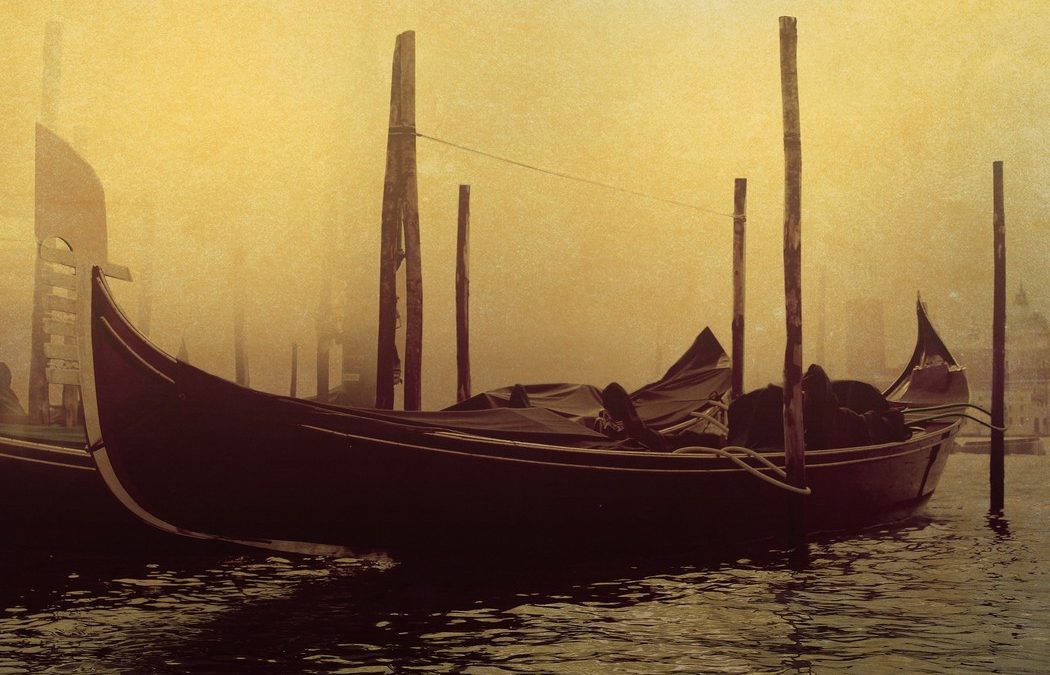
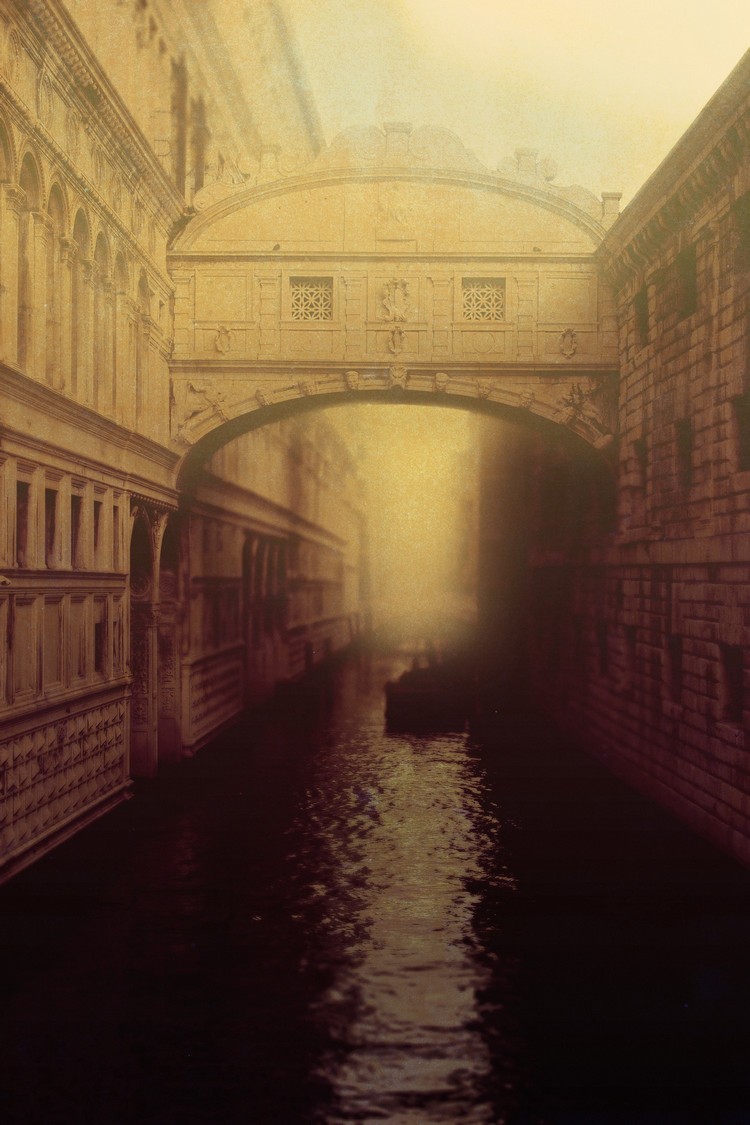
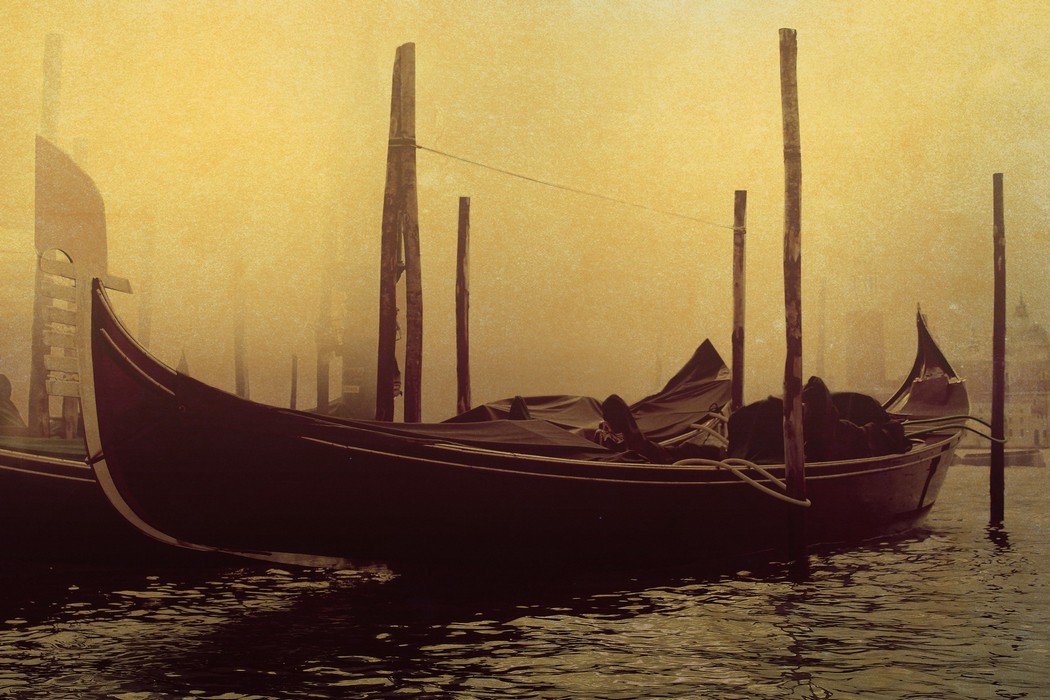
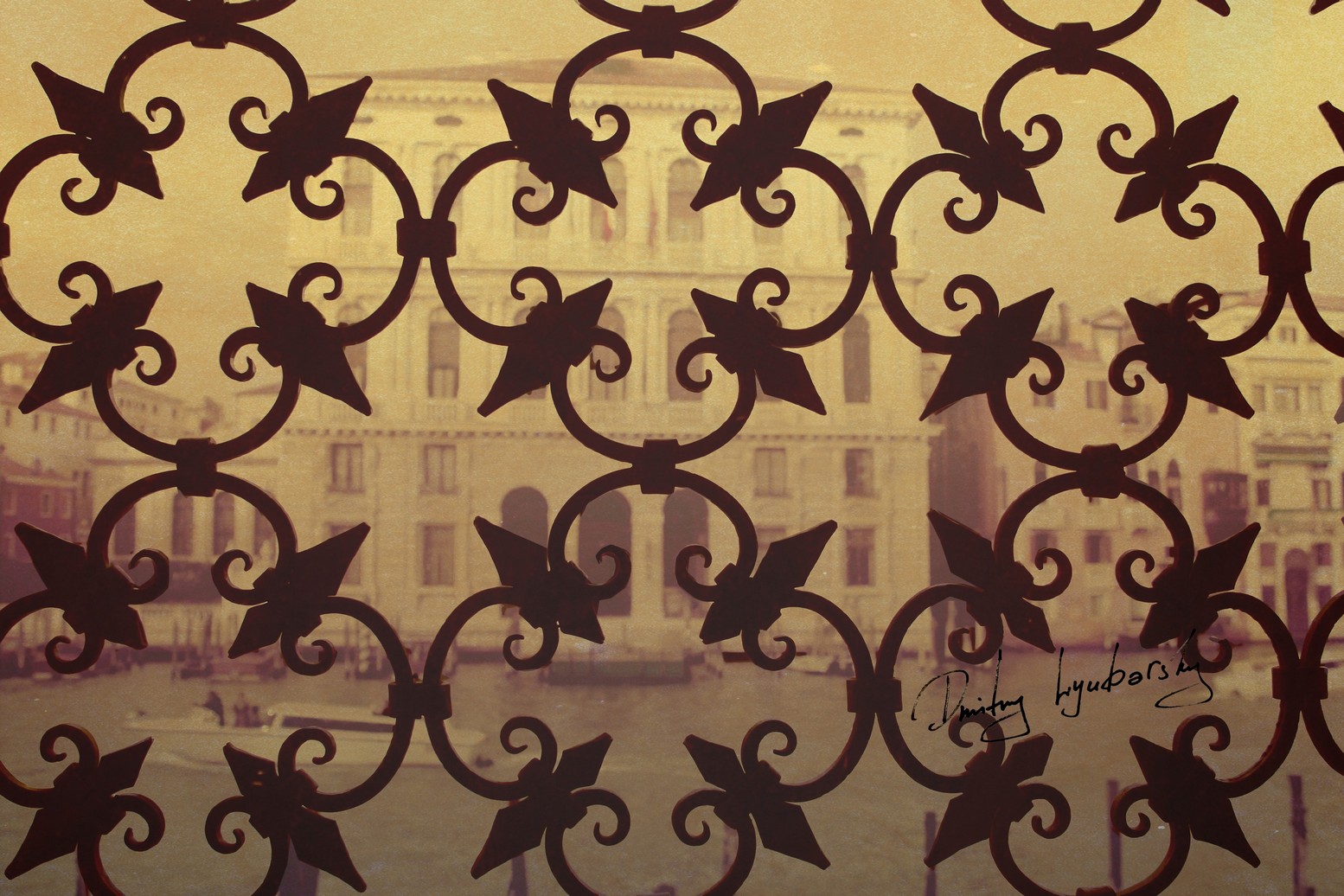
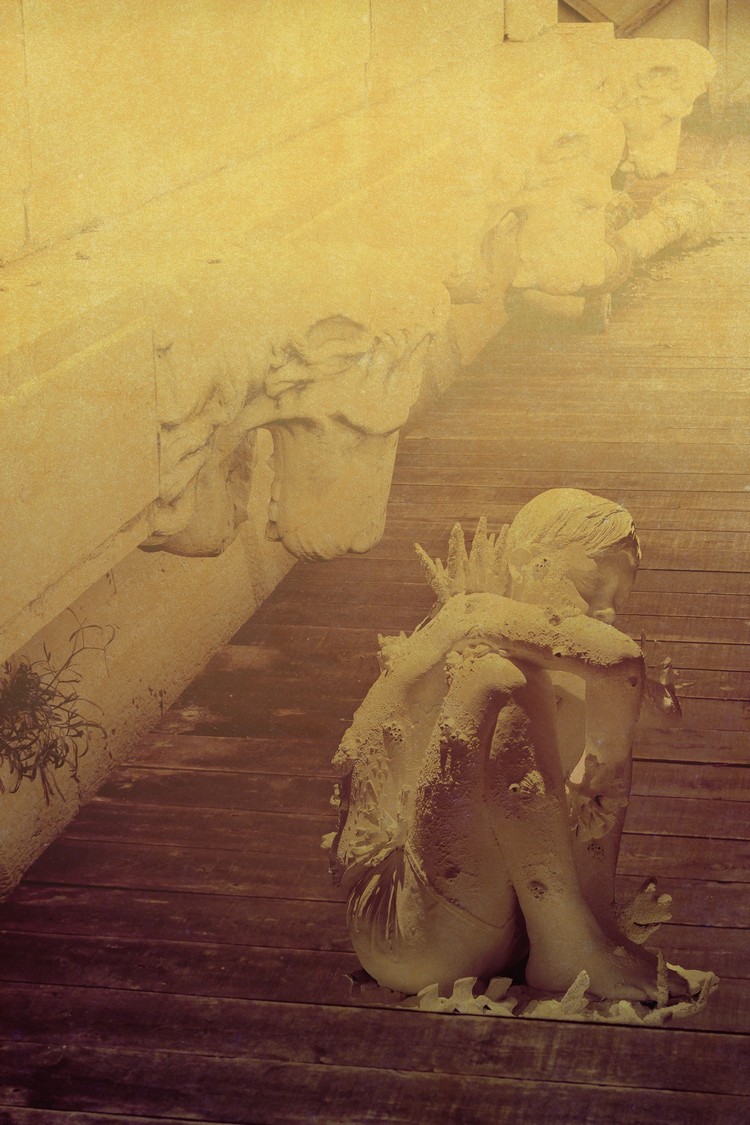
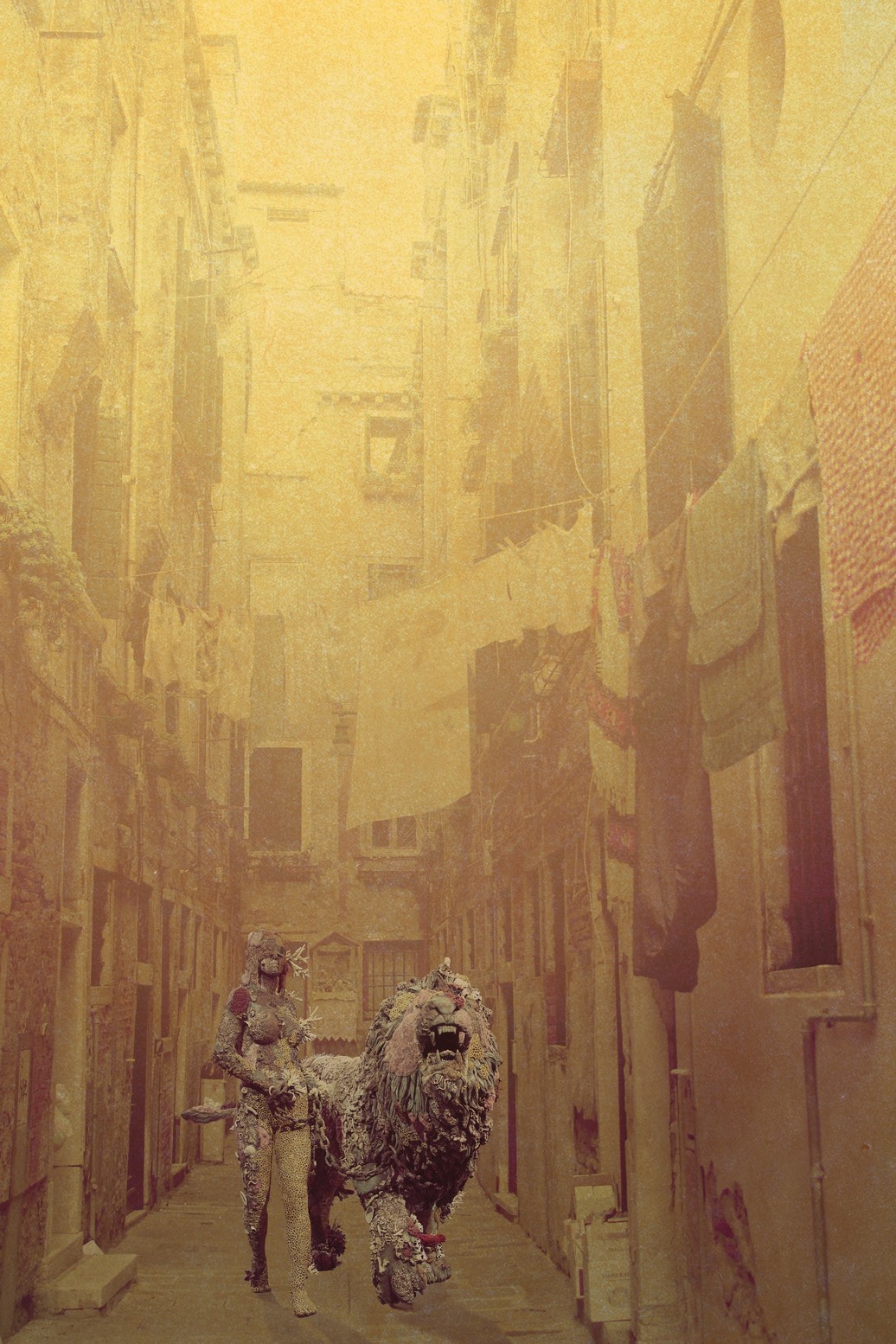
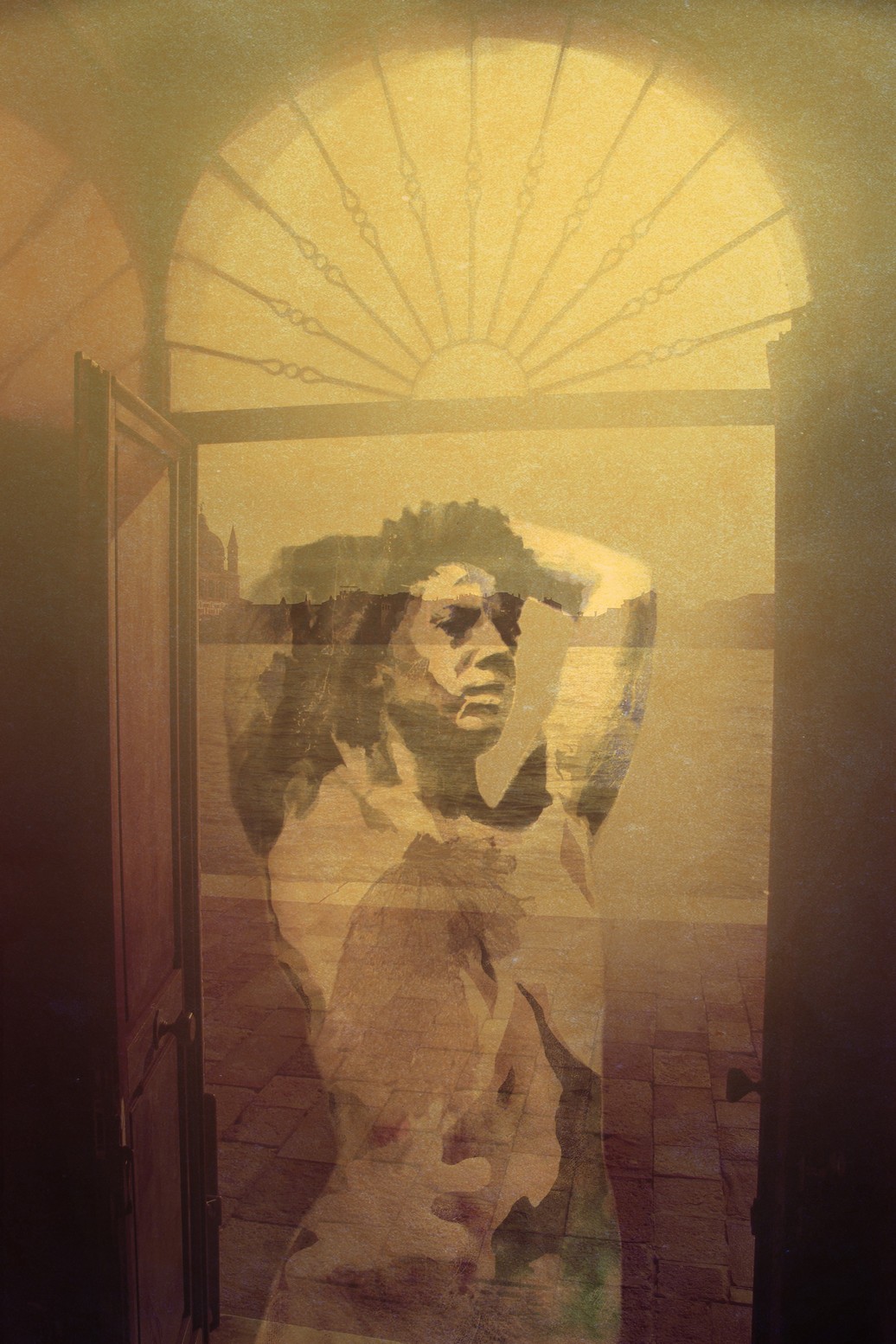
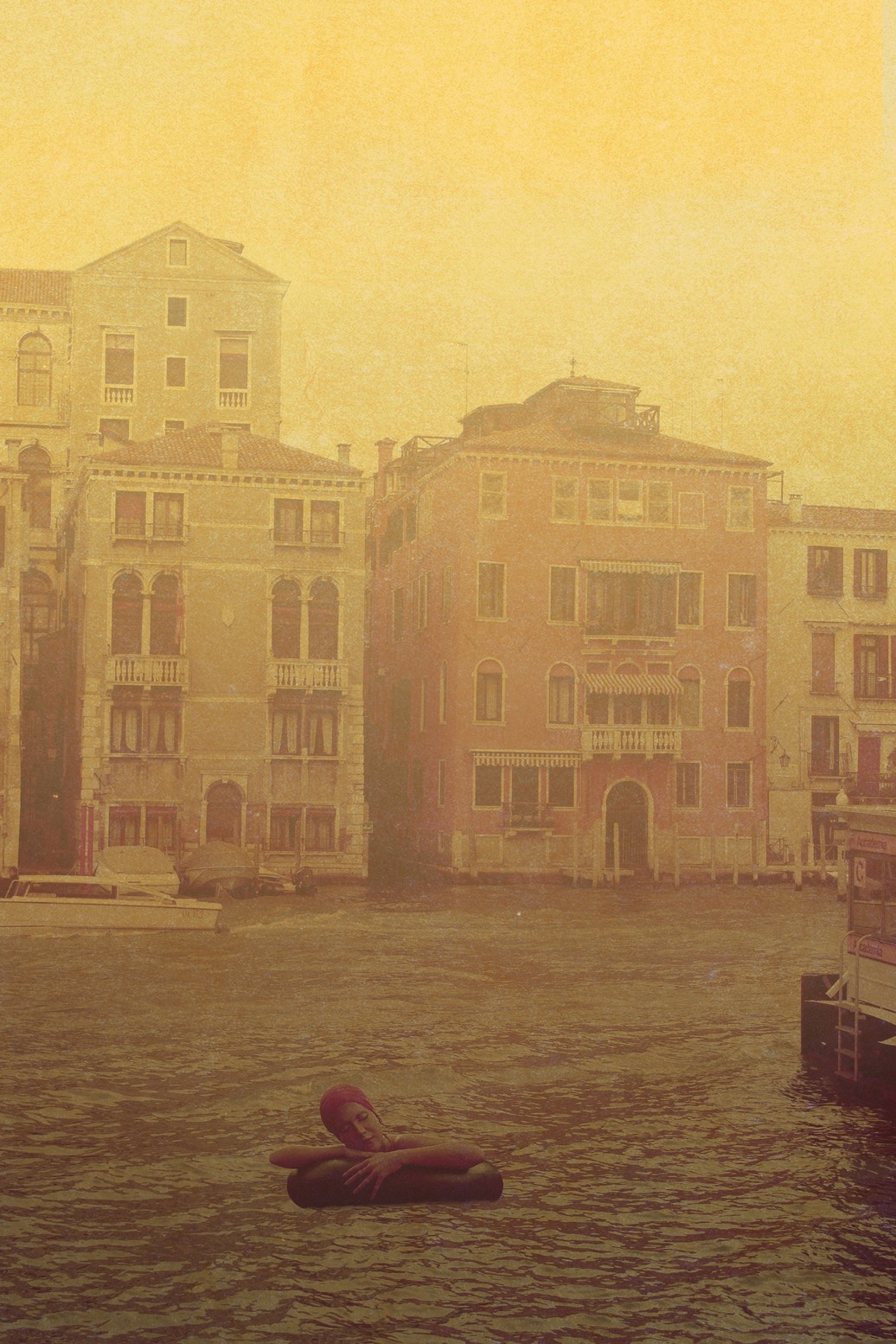
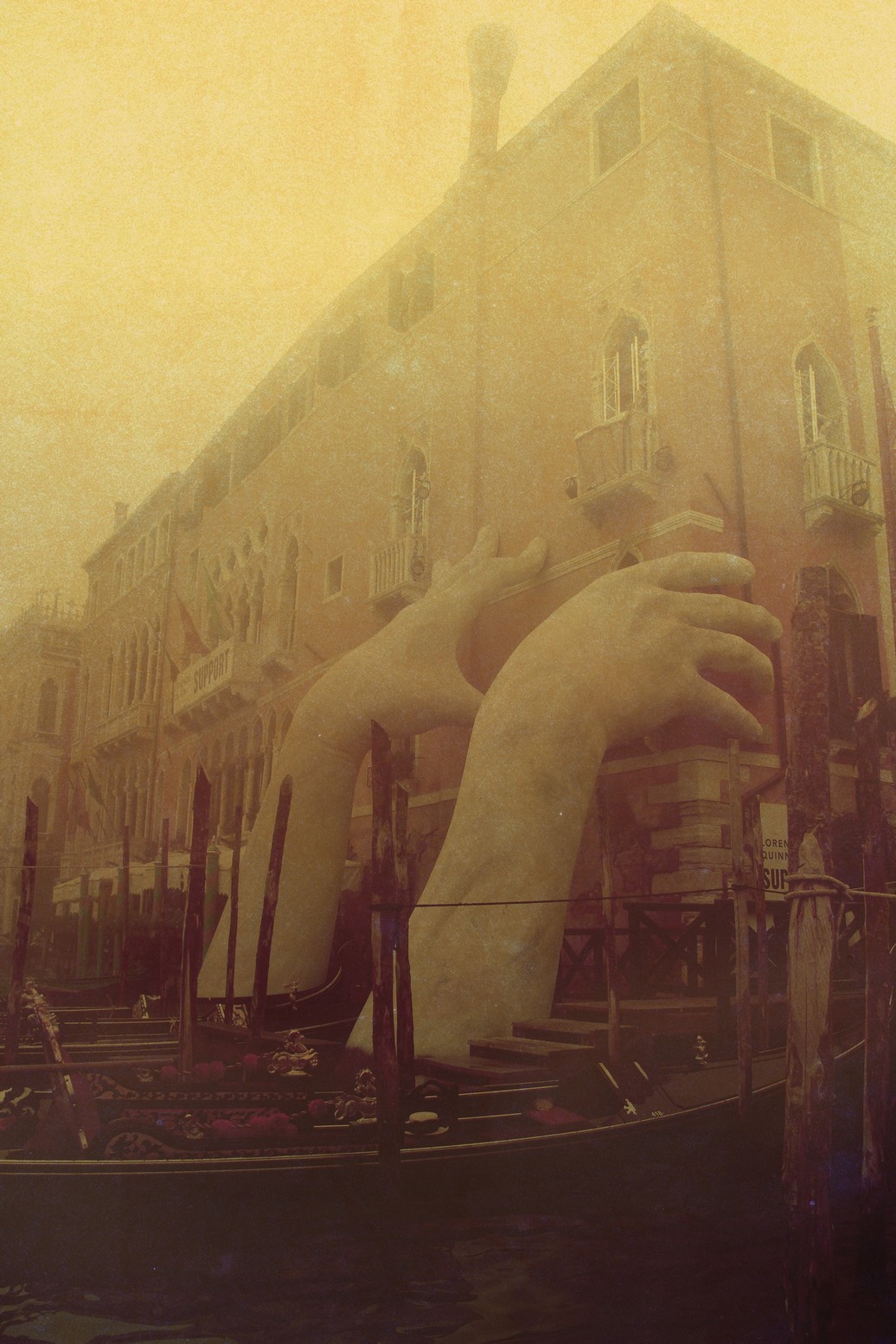
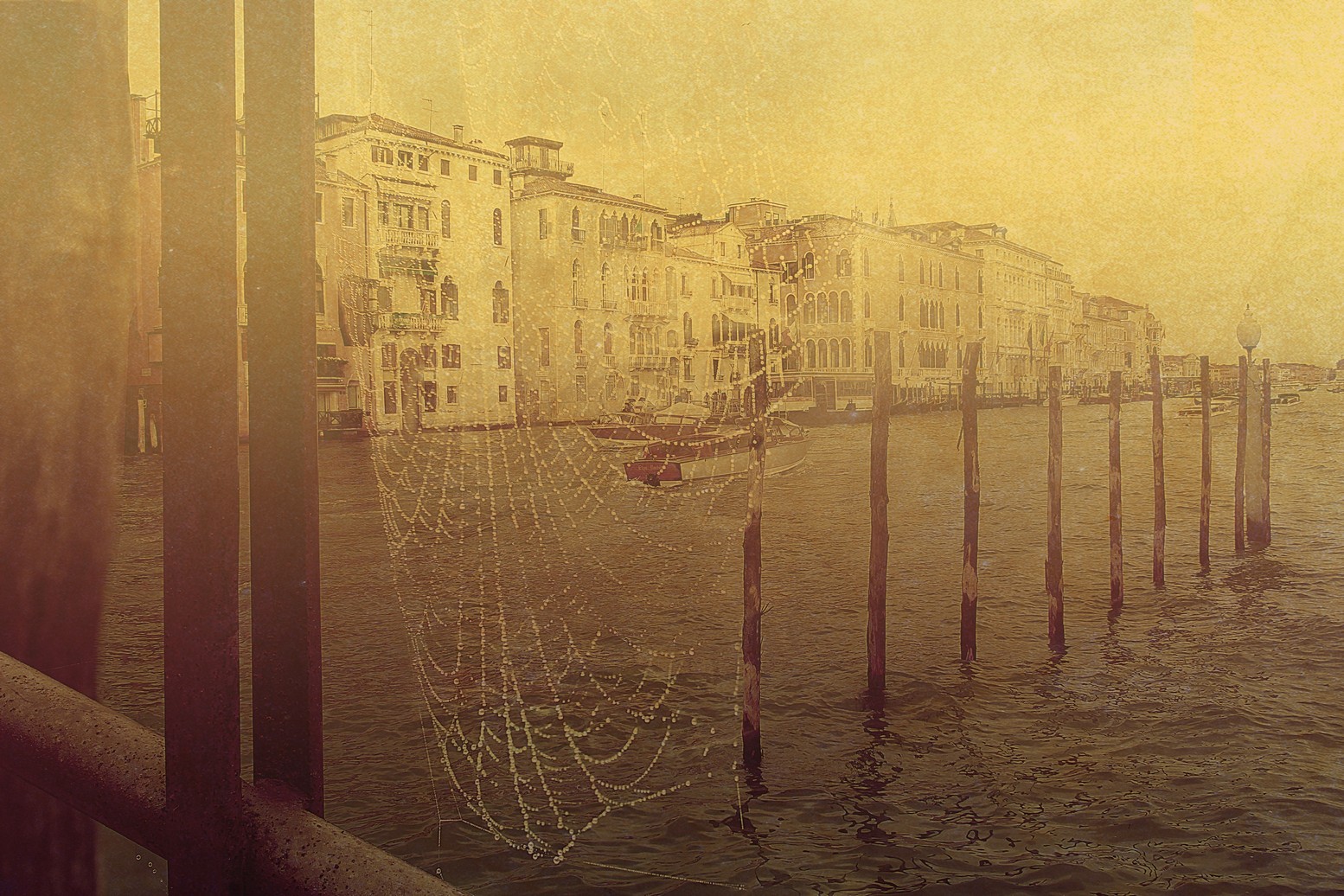
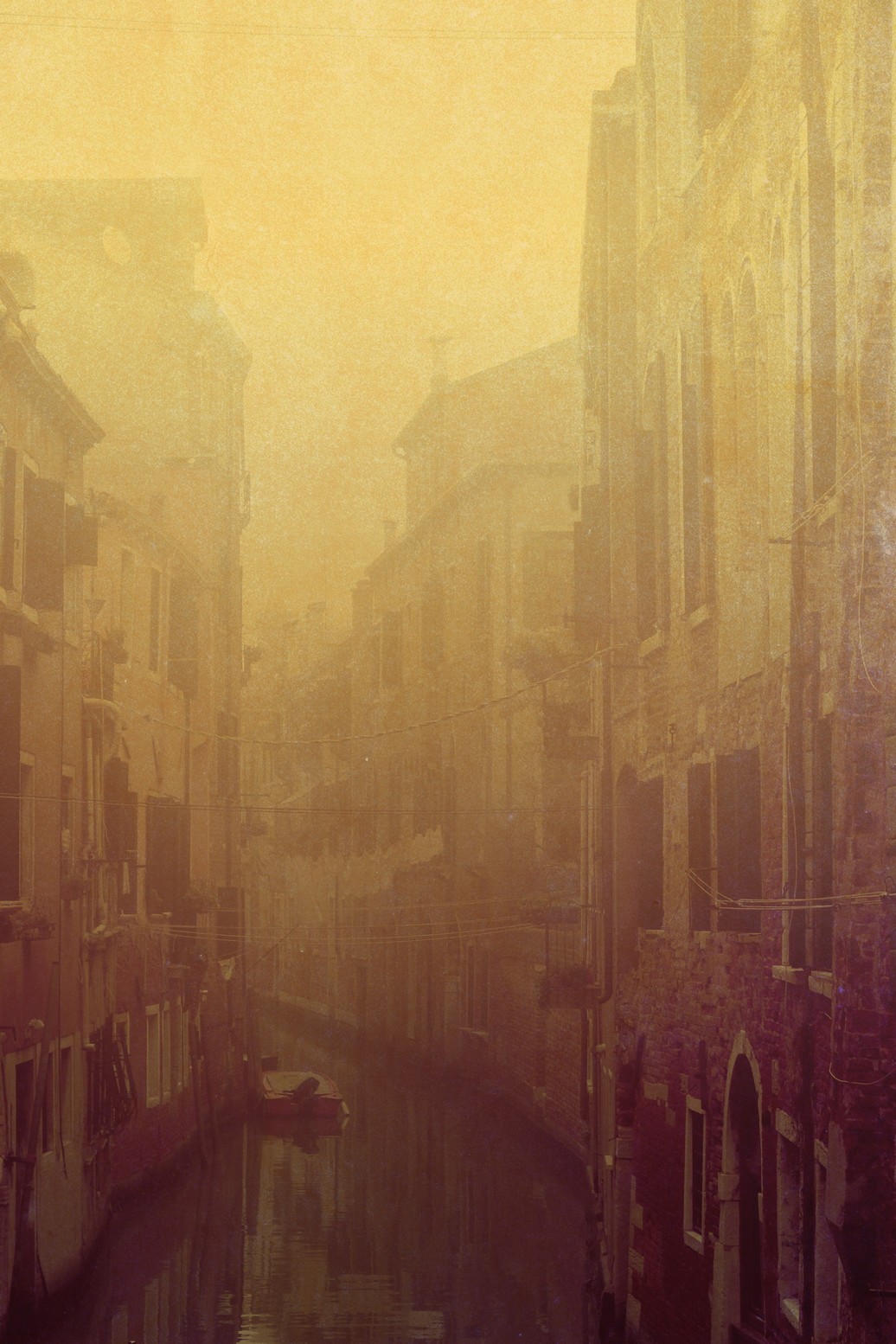
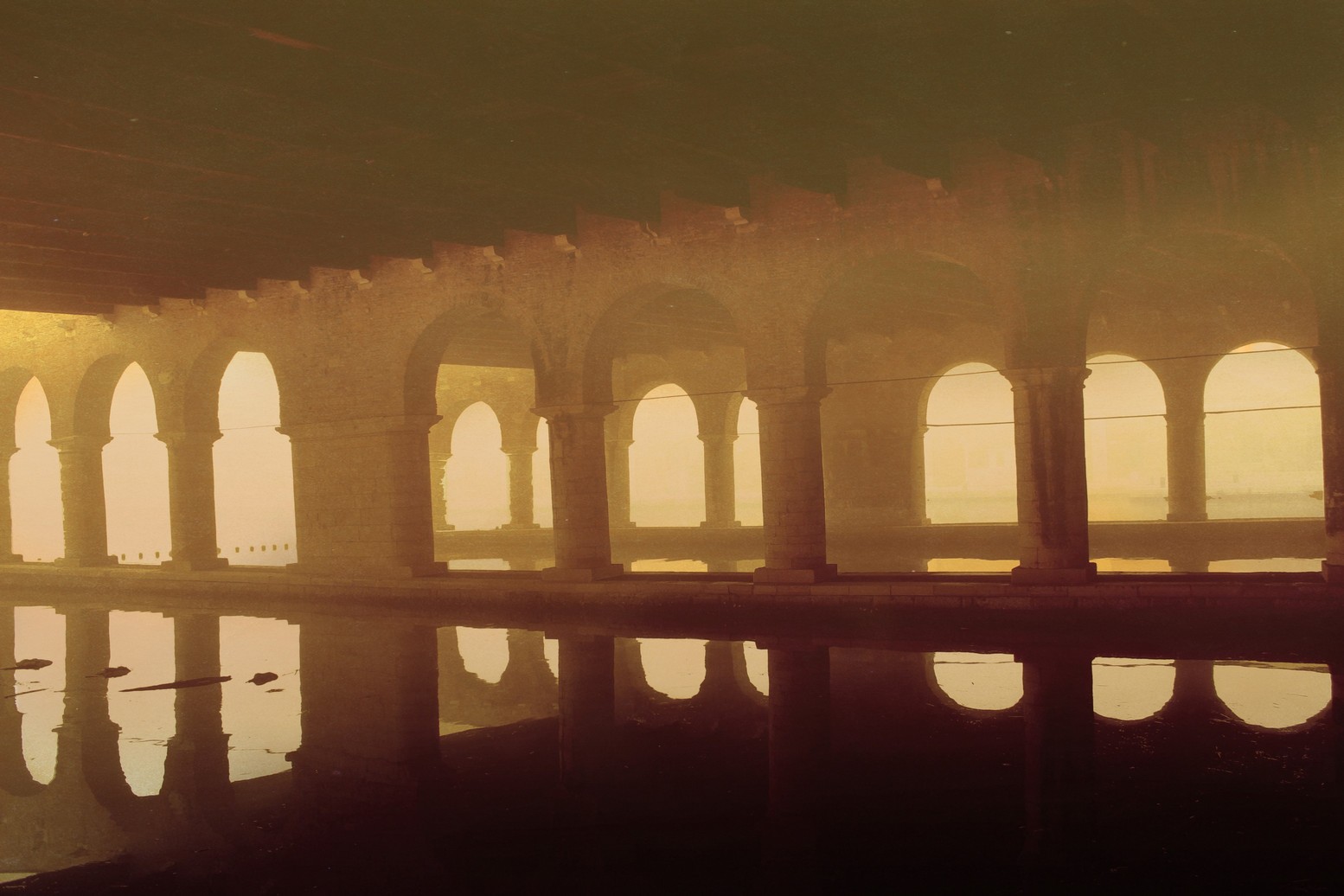
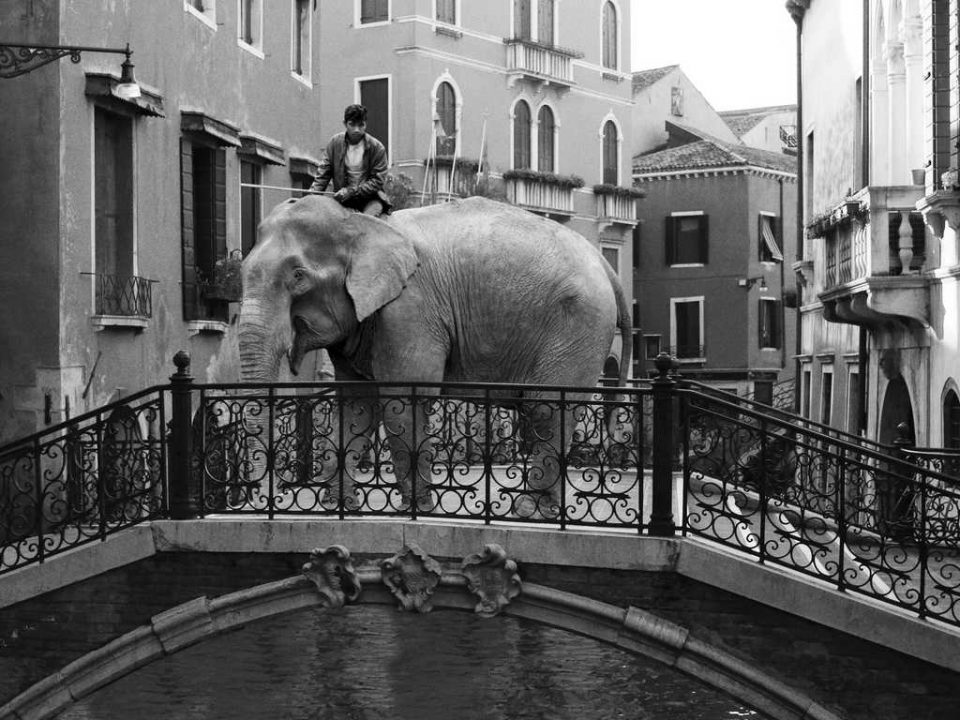
At sunset all cities look wonderful, but some more so than others. Reliefs become more supple, columns more rotund, capitals curlier, cornices more resolute, spires starker, niches deeper, disciples more draped, angels airborne. In the streets it gets dark but it is still day-time for Fundamente and that gigantic liquid mirror where motorboats, vaporetti, gondolas, dinghies, and barges like scattered old shoes zealously trample baroque and gothic façades, not sparing your own or a passing cloud’s reflections either. “Depict it,” whispers the winter light, stopped flat by the brick wall of a hospital or arriving home at the paradise of San Zaccaria’s fronton after its long passage through the cosmos. And you sense this light’s fatigue as it rests in Zaccaria’s marble shells for another hour or so, while the earth is turning its other cheek to the luminary. This is the winter light at its purest. It carries no warmth or energy, having shed them and left them behind somewhere in the universe or in the nearby cumulus. It’s particles’ only ambition is to reach an object and make it, big or small, visible. It’s a private light, the light of Giorgione and Bellini, not the light of Tiepolo or Tintoretto. And the city lingers in it, savoring its touch, the caress of the infinity whence it came. An object, after all, is what makes infinity private. Joseph Brodsky